
Facade, Glass & Safety
Toughened Glass Works
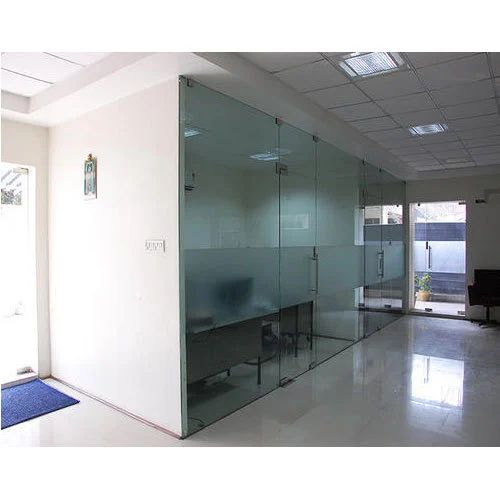
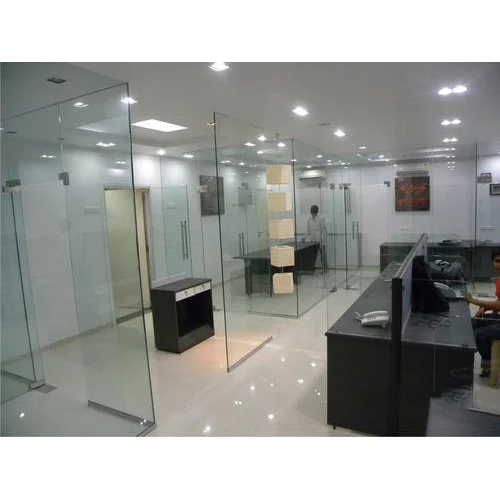
Toughened glass is heat-treated so that if it ever breaks, it crumbles into blunt granules instead of sharp shards — the standard for anything at hand or body height. The one thing to know before ordering: it can't be cut, drilled or edge-worked after tempering, so every hole has to be specified up front.
What matters about this product
- Breaks safely.
- Tempered glass fractures into small blunt pieces rather than dangerous shards — the reason it's standard for doors, railings and low-level glazing.
- Stronger than annealed glass of the same thickness.
- Meaningfully more resistant to impact, which is why it's specified anywhere the glass will be touched, leaned on, or is at risk of a knock.
- Used across the catalogue.
- Doors, railings, partitions, wardrobe shutters, DGU panes — most glass in a Gopalsons project is toughened by default at these use points.
- Available across our full thickness range.
- 3.5mm through 24mm (as part of a DGU build-up), matched to the application.
- No post-tempering modification.
- Once toughened, the glass cannot be cut, drilled or have its edges worked — every cutout, hole and edge profile must be finalised before it goes into the furnace.
- A late design change means a new sheet.
- If a hole position or a cutout changes after tempering, the glass is replaced, not modified — worth building into the project timeline if the design isn't fully locked yet.
Specifications
- Thickness range
- 3.5mm – 24mm (incl. DGU build-up)
- Break pattern
- Blunt granules, not sharp shards
- Fabrication note
- All cutting, drilling and edge-work must happen before tempering
- Typical use
- Doors, railings, partitions, wardrobe shutters
Questions people actually ask
Can toughened glass be cut or drilled after it's made?
No — this is the single most important thing to know before ordering. Every hole, cutout and edge profile has to be finalised and specified before the glass goes into the tempering furnace. A change afterward means a new sheet.
Is it actually safer than normal glass?
Yes, in two ways — it takes more impact to break in the first place, and when it does break it crumbles into small blunt granules instead of sharp shards. That's why it's the default for anything at hand or body height.
What thickness do I need?
It depends on the application — 5–6mm for window and door panels, 8–12mm for frameless doors and railings, up to 24mm as part of a DGU double-glazed build-up. We size it to the opening and use case.
Does toughened glass cost more than regular glass?
Yes, the tempering process adds cost over untreated (annealed) glass — but for anything at hand height or load-bearing, like a railing or door, it's the standard specification, not an optional upgrade.
Related products
Aluminium & Glass Railings
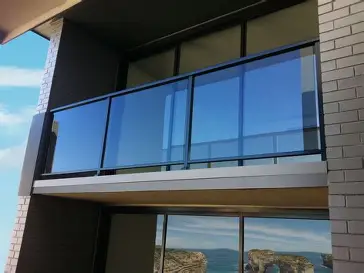
Frameless and framed glass railings for Lucknow balconies and staircases — clean sightlines with toughened safety glass.
Aluminium & Glass Doors
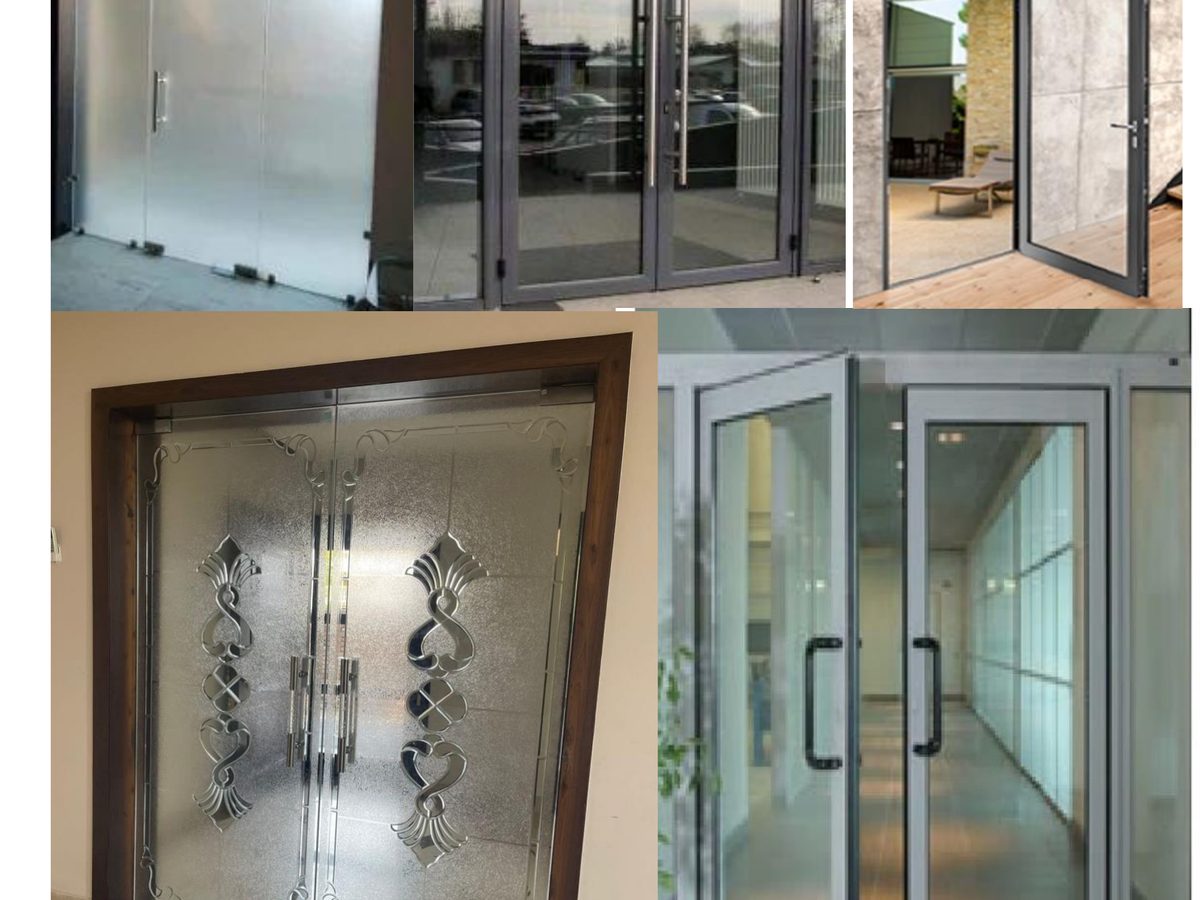
Framed and frameless aluminium-glass entry doors for homes, offices and storefronts in Lucknow.
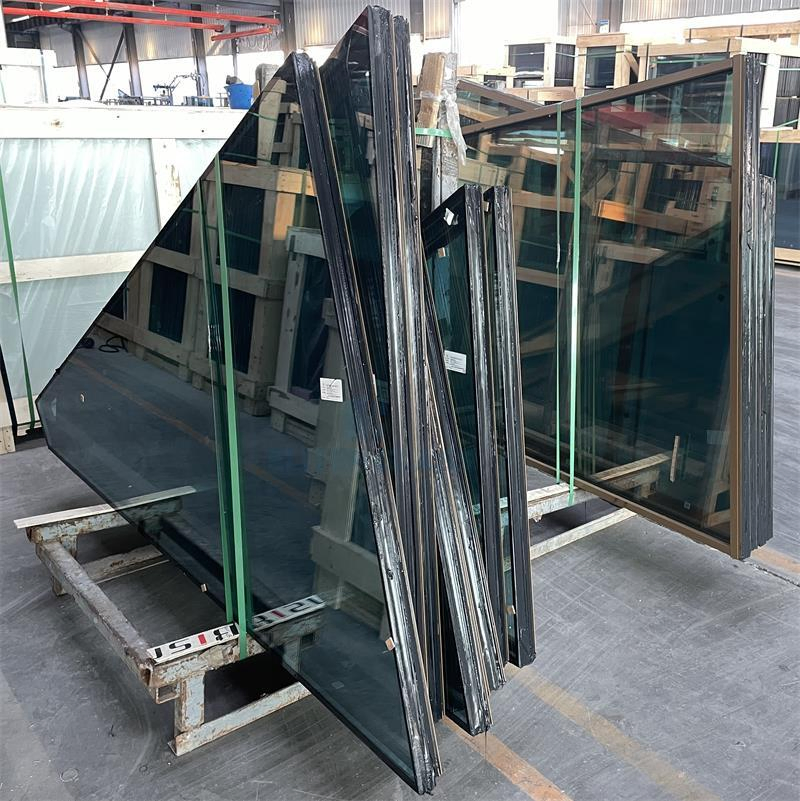
DGU Series — Double Glazed Windows
Double-glazed aluminium windows for Lucknow — better thermal and acoustic performance from a sealed twin-pane build-up.