
Fenestration
Glass Profile Premium Works
Glass profile systems hold panels in slim U-channel or spider-fitted aluminium sections rather than a full box frame — the goal is to put as little metal as possible between the eye and the glass. It's a shopfront and premium-interior product, priced and detailed for that use.
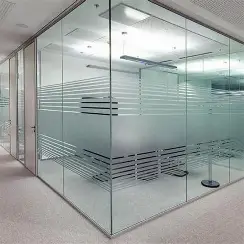
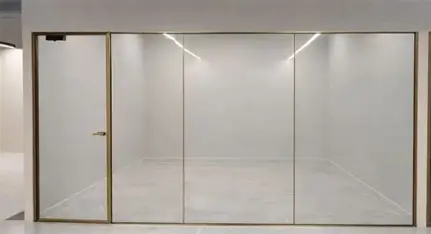
What matters about this product
- Minimal visible aluminium.
- Slim channel or point-fixed hardware holds the glass with far less frame than a standard window or door section.
- Suits shopfronts and feature glazing.
- Where the glazing itself is the design statement — a showroom front, a lobby screen — this is the system built for it.
- Toughened or laminated glass required.
- With less frame supporting the edge, the glass itself has to carry more of the safety margin, so toughened or laminated glass is standard, not optional.
- Higher hardware cost.
- Spider fittings and structural channel hardware cost more than a boxed aluminium frame — this system is specified where the look justifies it.
- Precision-dependent installation.
- With minimal frame to hide any misalignment, installation tolerances are tighter than a standard framed system.
- Pairs with structural glazing.
- Often used alongside a structural glazing facade to keep a continuous minimal-frame look across doors and fixed panels.
Specifications
- Glass
- Toughened or laminated, 8mm–12mm
- Fixing
- U-channel or spider point-fixing
- Typical use
- Shopfronts, showroom entries, premium interior screens
- Related system
- Structural glazing, aluminium & glass doors
Questions people actually ask
How is this different from a standard aluminium-framed window or door?
A standard frame boxes the glass on all sides. Glass profile systems use a slim channel or spider point-fittings, showing far less aluminium — the trade is higher hardware cost and tighter installation tolerances.
Is it as strong as a framed system?
With less frame supporting the edges, the glass itself does more of the work, which is why toughened or laminated glass is standard rather than optional on this system.
What's it typically used for?
Shopfronts, showroom entries, and interior feature screens where the glazing is meant to read as continuous glass rather than a series of framed panels.
Can it be combined with structural glazing?
Yes — the two are often specified together on a single elevation to keep a consistent minimal-frame look across fixed glazing and door openings.
Related products
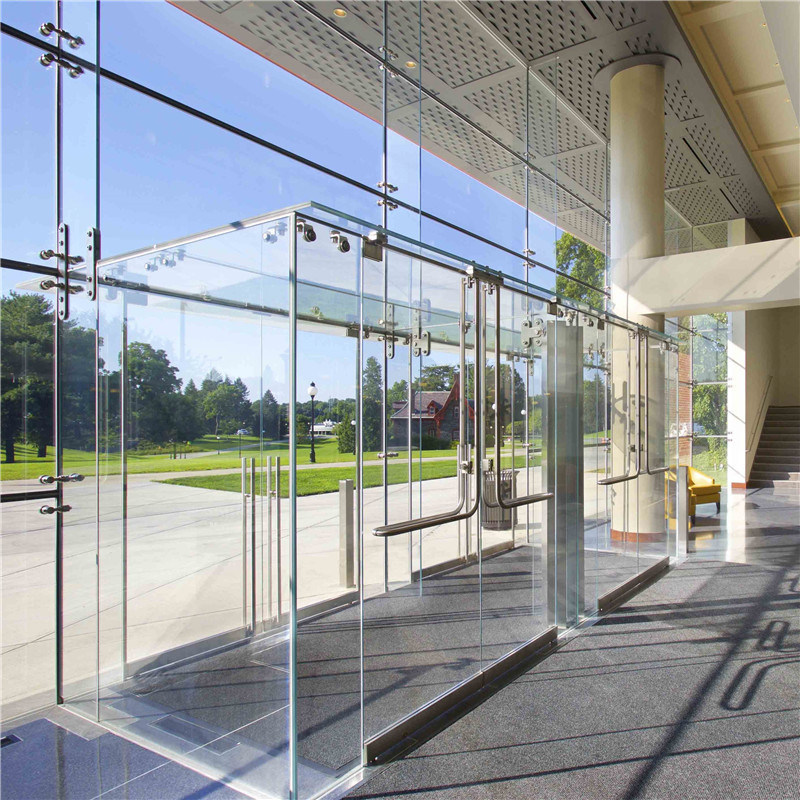
Structural Glazing
Silicone-sealed structural glazing facades for Lucknow buildings — an all-glass elevation with minimal visible aluminium.
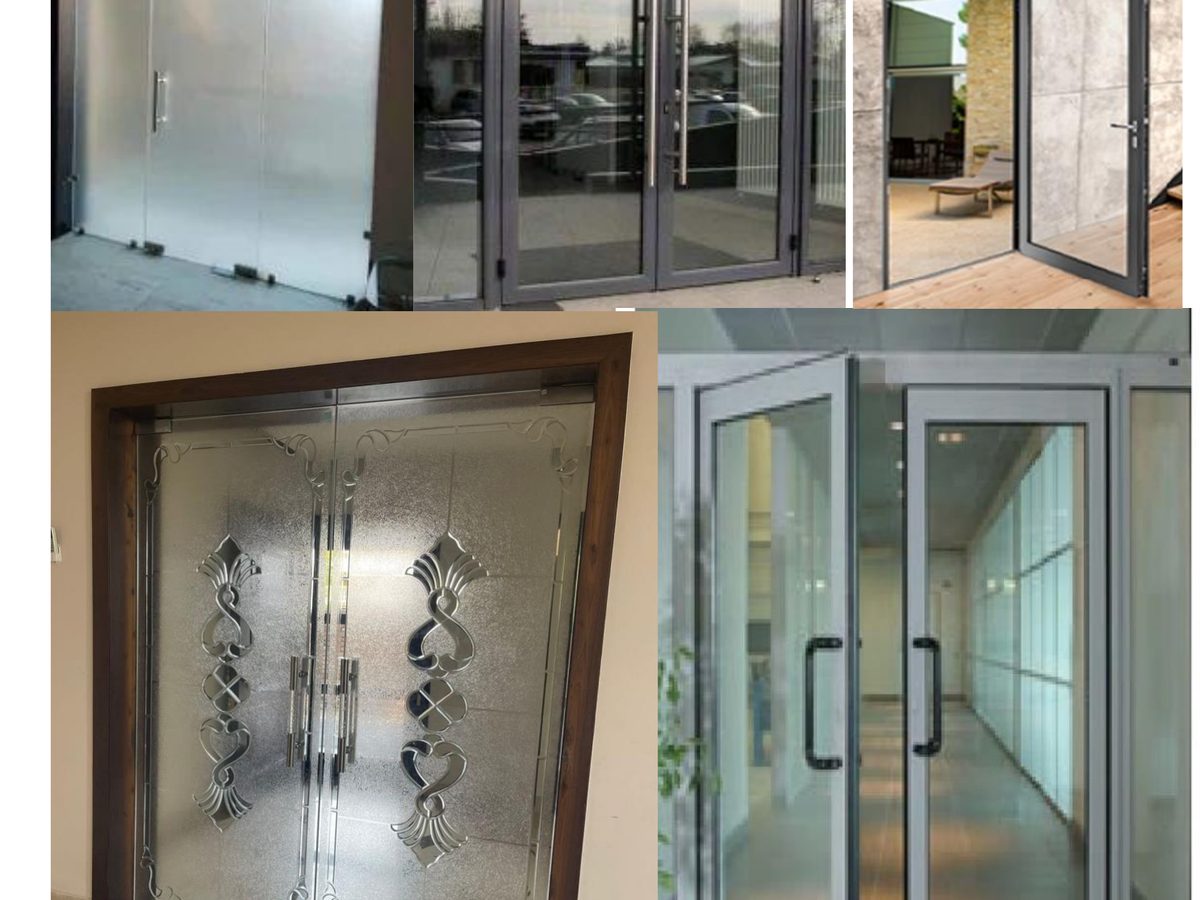
Aluminium & Glass Doors
Framed and frameless aluminium-glass entry doors for homes, offices and storefronts in Lucknow.
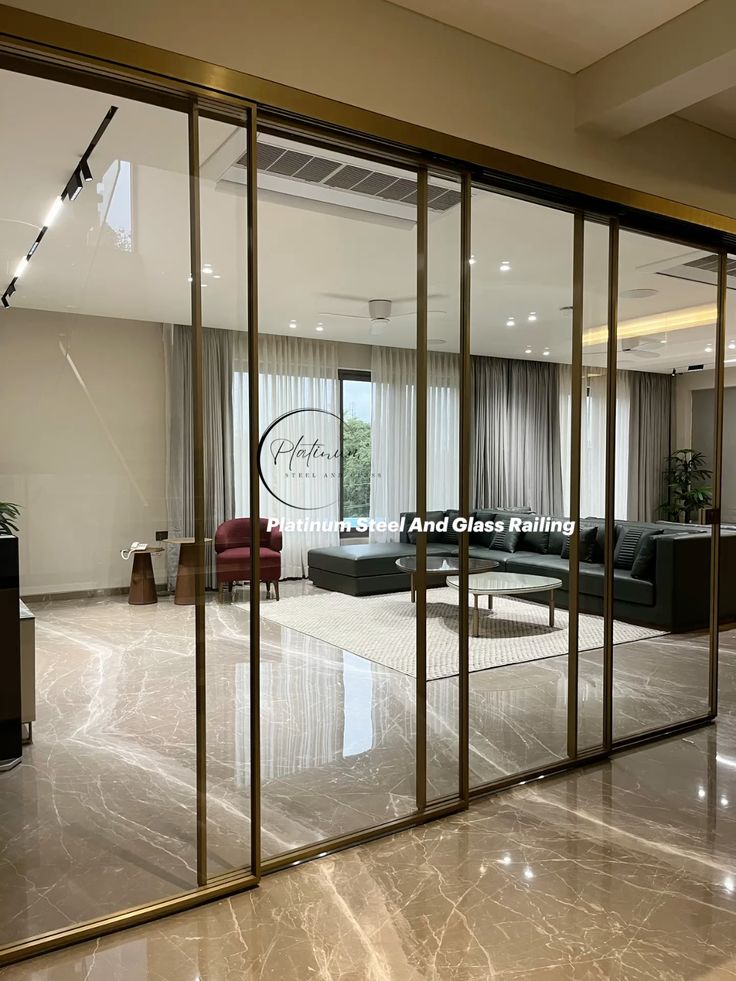
Slim Series — Telescopic Sliders & Partitions
Slim-profile telescopic sliding systems for Lucknow offices and homes — wide openings with minimal visible frame.